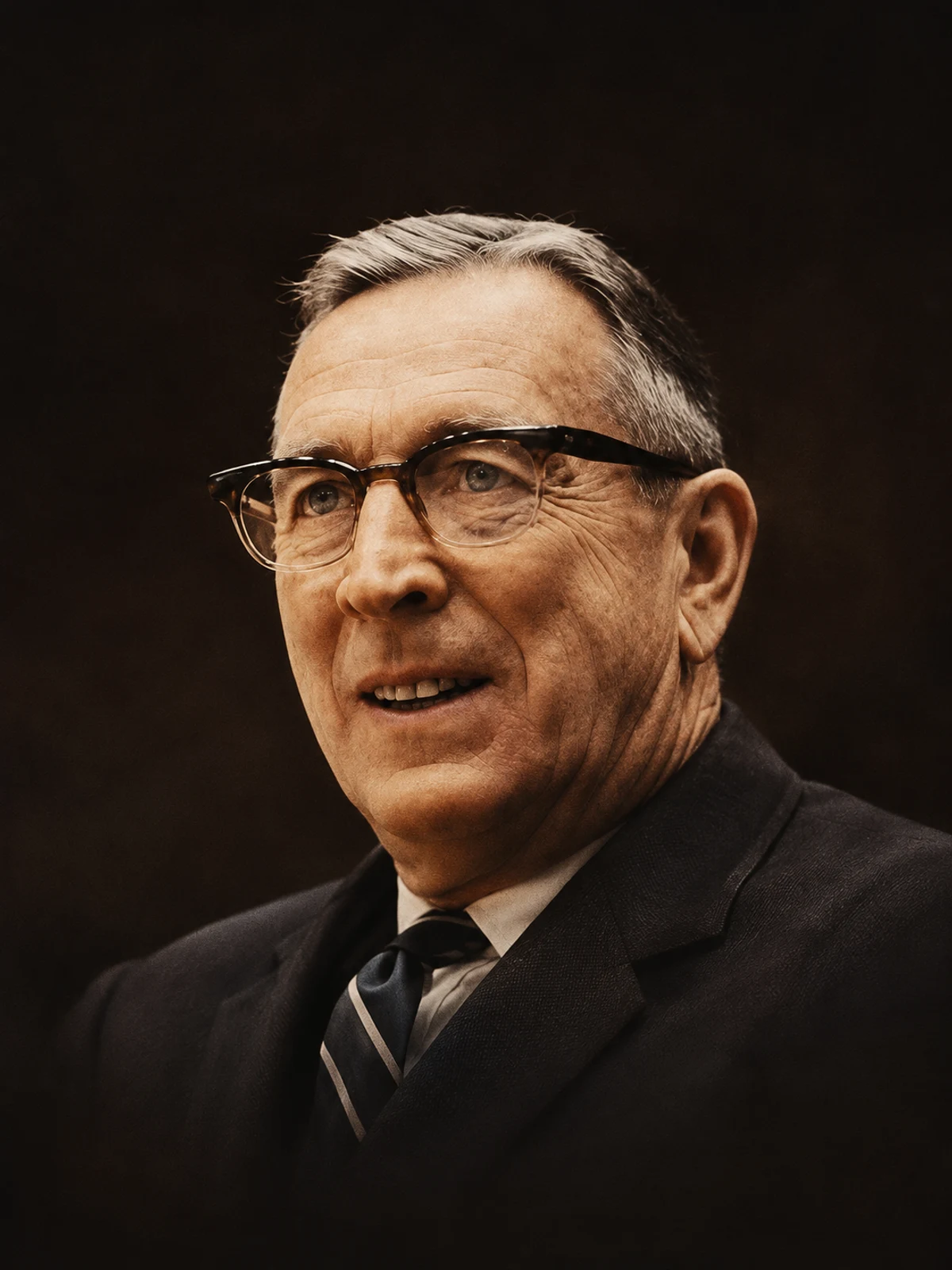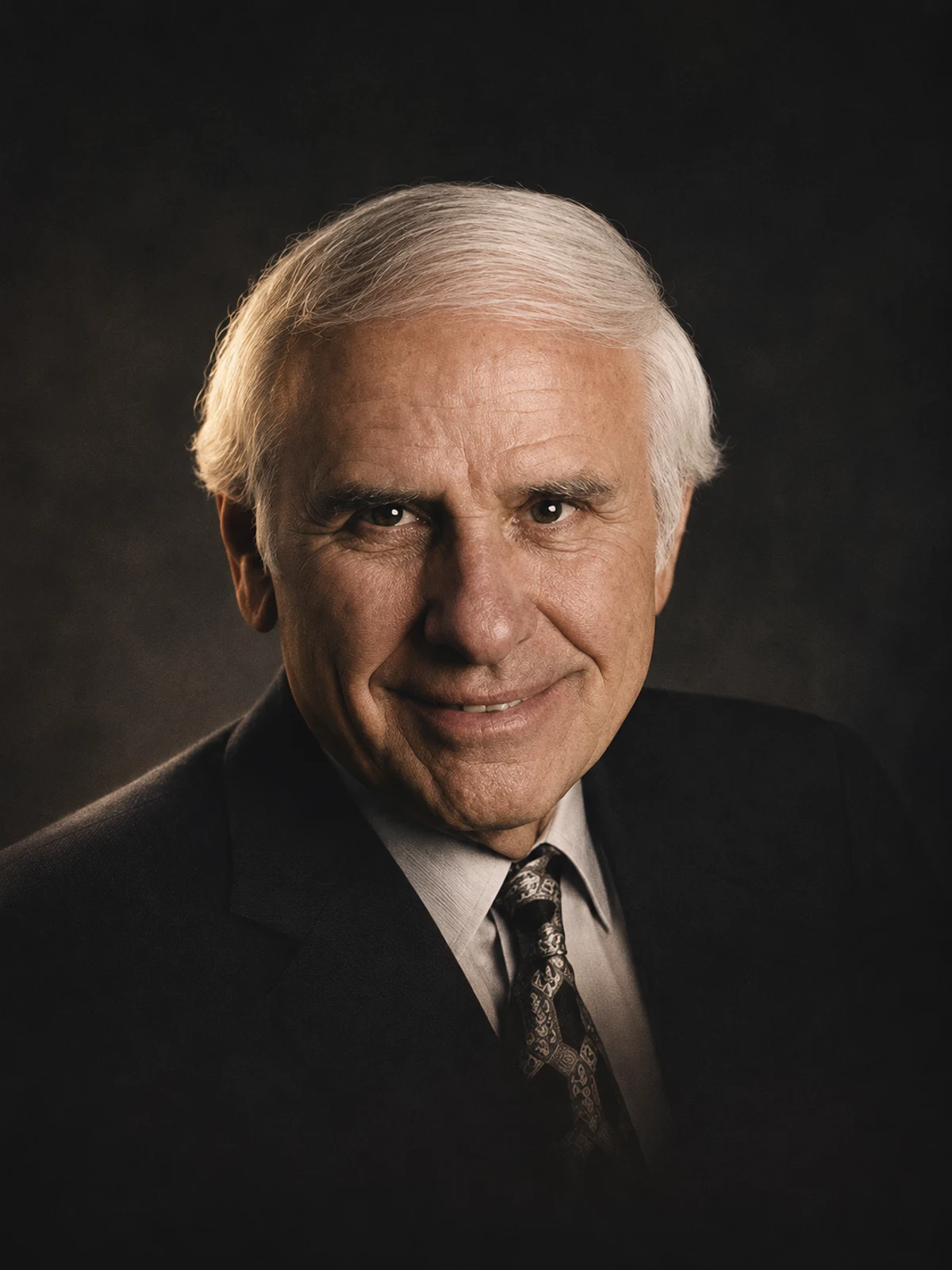
A great deal of leadership is performed in public. Bill Campbell’s most interesting work happened closer to the conversation before the announcement: where a decision was still uncertain, an executive still needed to listen, and a group of formidable individuals had yet to become a team. His place in coaching history rests on that human territory. He helped make attention to people an executive responsibility rather than a soft alternative to business.
A coach before the boardroom
Campbell’s title had a literal beginning. Columbia University’s library records his years as a football player, his captaincy of its 1961 team and his return as head coach from 1974 to 1979. He also studied education and coached at Boston College. This was a working education in the demands of collective performance, with all the limits that sport places on the comforting idea that good intentions automatically produce good results.
The connection with his later career is useful without turning the two settings into the same thing. A business is not a football team, and an employee is not a player under a coach’s complete authority. Yet both environments expose a familiar problem: individual ability can be abundant while shared understanding is scarce. A leader must notice that gap before another strategy presentation can solve it.
Authority earned through service
Campbell moved into technology and held major leadership roles at Apple and Intuit. Intuit’s own retirement announcement identifies his service as chief executive, chairman and executive coach across more than two decades. He knew the responsibilities of running an organisation from inside the job. That background matters when considering why an adviser might be trusted: experience can make a difficult question more credible, but only if the person asking it is willing to listen to the answer.
The book Trillion Dollar Coach, written by Eric Schmidt, Jonathan Rosenberg and Alan Eagle, draws on interviews with people who knew Campbell. It places his relationships with leaders such as Jobs, Schmidt and Page alongside a sustained concern for teams. Its title is an expression of those leaders’ reach, not a controlled calculation of the financial return on a coaching intervention. The distinction keeps the lesson useful rather than turning a life into an impossible sales claim.
The team is the work
The enduring question in Campbell’s story is what an executive coach is actually trying to improve. Making one leader more impressive is a narrow ambition. Helping that leader create the conditions for others to contribute is a more demanding one. It asks the coach to look beyond personal style and examine the quality of the conversations, disagreements and commitments around the leader.
For a coach working today, that suggests a practical test. After a difficult meeting, can the people involved state the decision, the disagreement that remains and what each person will do next? If they cannot, apparent harmony may conceal confusion. The coach’s role is to help make the work discussable, while leaving responsibility with the people who must carry it out.
The influence that outlasts access
Campbell’s reputation can tempt admirers to focus on access to famous founders. Access is a circumstance, not a method that another coach can copy. What travels more readily is the discipline of treating powerful people as people: capable of generosity and defensiveness, ambition and doubt, clarity and avoidance. Status does not remove the need for honest conversation.
That is what makes his legacy aspirational. The coach does not need to become the most visible person in the room. The greater achievement may be to leave behind a room that works better: people who listen more carefully, challenge one another without giving up on the relationship, and understand that a company is built through the quality of their shared decisions.
Business & Technology
Bill Campbell
Bill Campbell was a college football coach, technology executive and trusted adviser to leaders including Steve Jobs, Eric Schmidt and Larry Page. His legacy connects executive coaching with the everyday work of building trust, resolving conflict and helping talented people function as a team.
- Field
- Executive coaching
- Columbia coach
- 1974–1979
- Lasting idea
- People and teams
Questions about Bill Campbell
What is Bill Campbell best known for?
Campbell is remembered as a Silicon Valley executive and coach who advised influential technology leaders. His story combines hands-on company leadership with a sustained focus on trust, candid discussion and team performance.
Was Bill Campbell a football coach?
Yes. Before his technology career, Campbell played football at Columbia and later became its head coach from 1974 to 1979. Columbia’s archival account also records his work as an assistant coach at Boston College.