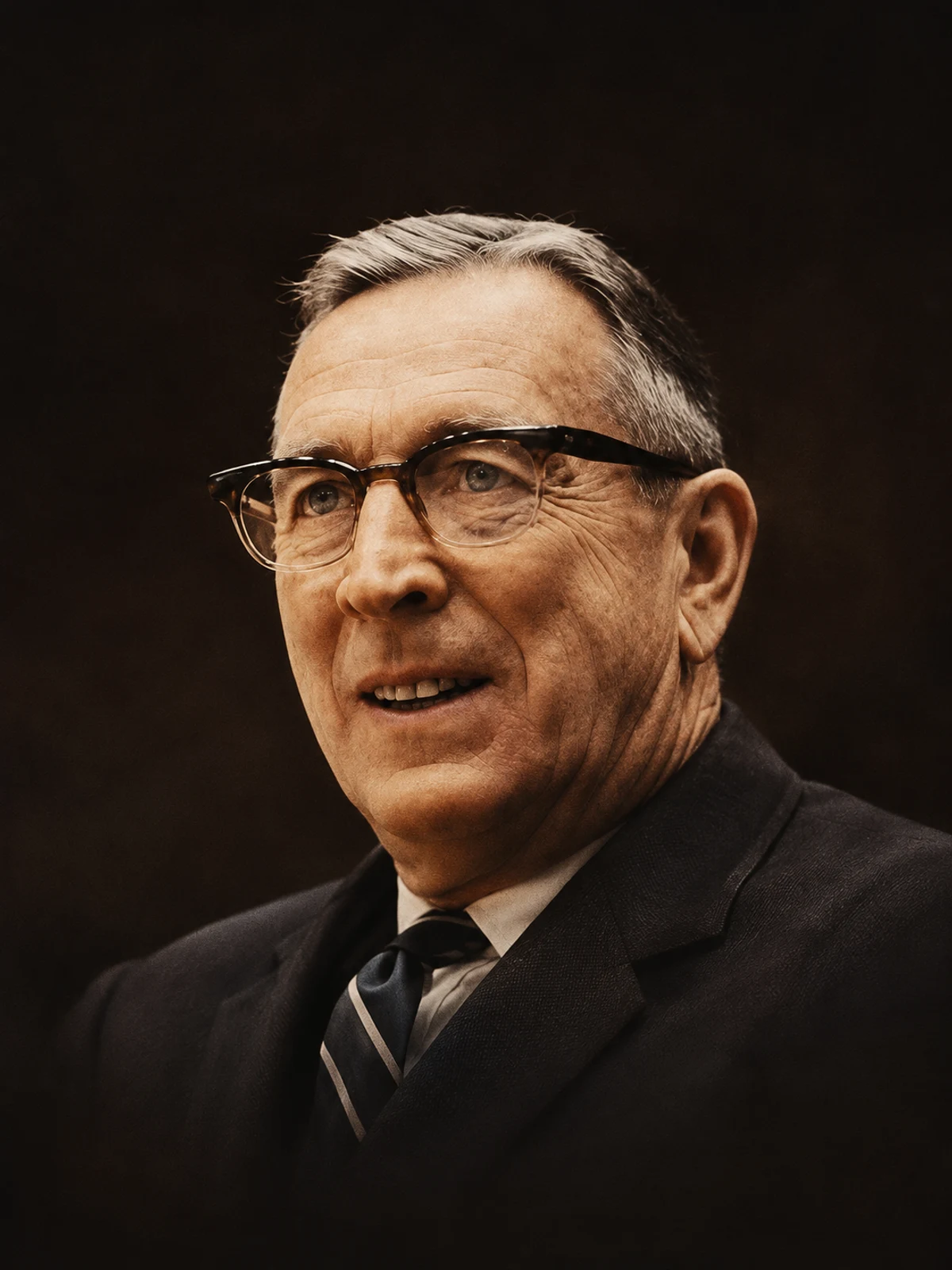
Vince Lombardi’s name has become so closely attached to winning that it can obscure the work behind the association. A trophy offers a finished symbol. Coaching takes place in an unfinished organisation, among people who need direction, instruction and a reason to believe the next effort can be better. His years in Green Bay remain a powerful case for studying the relationship between an exacting standard and a team’s capacity to meet it.
The situation he inherited
The Packers’ historical account records the depth of the challenge when Lombardi arrived in 1959. Green Bay had finished the previous season 1–10–1 and had gone eleven years without a winning record. He took responsibility as head coach and general manager. The starting point matters because a rebuilding story is about changing what a group has come to expect from itself.
The Pro Football Hall of Fame records the immediate improvement to 7–5 in his first season. It also sets out the larger achievement: five NFL championships and the first two Super Bowl victories. Sustained results gave the name its authority. For a coach reading the career now, the question is how to understand that authority without reducing the person to a handful of phrases about victory.
Making expectations tangible
A demand for excellence has little instructional value until someone can recognise it in an action. A team needs to know what preparation requires, where responsibility sits and how a mistake will be addressed. That is the level at which a coaching standard becomes usable. The harder work is to make it consistent when pressure rises and attention is pulled towards the next result.
Lombardi’s story makes this an important distinction for leadership practice. A coach can help a manager replace an imprecise complaint about attitude with a description of the behaviour that needs to change. Specificity gives the person receiving feedback something to work with. It also makes the leader accountable for explaining the expectation clearly enough to be met.
The collective promise
Team sport puts interdependence in plain view. One person’s preparation affects another person’s ability to perform. In a workplace the connection can be less visible, but a missed handover or an unclear decision still changes someone else’s task. Coaching that attends only to individual ambition can miss the shared obligations that make an organisation dependable.
The lesson to draw from a demanding team culture is therefore broader than intensity. It concerns a promise people make to one another about the quality of their contribution. A modern coach can explore whether those promises are understood, whether the resources to keep them exist and whether the most senior person is held to the same seriousness as everyone else.
Reading a historic coach responsibly
Lombardi’s career belongs to a particular era of American football. Admiration does not require importing every assumption or interpersonal practice of that era into a contemporary team. Methods should be assessed for their effects on the people using them, with attention to welfare, fairness and the ability to speak honestly about a problem.
That makes historical study more useful. It allows a coach to ask what the underlying principle was, which conditions supported it and how it could be applied responsibly now. The work becomes an exercise in judgement. Clear instruction, preparation and accountability can travel across settings, while the way they are expressed should reflect the people and context involved.
Beyond the name on the trophy
Lombardi’s lasting place in coaching comes from the force with which his career raises the question of standards. The Packers’ transformation supplies the competitive record. The continuing conversation concerns the everyday leadership that makes an expectation credible.
For anyone coaching a team, the practical challenge is direct: describe the standard, teach the work and make the next improvement possible. A culture becomes dependable when people know what is expected and experience a fair, serious effort to help them achieve it. That is an inheritance more substantial than a slogan, and one that deserves to be renewed rather than merely repeated.
American Football
Vince Lombardi
Vince Lombardi coached the Green Bay Packers to five NFL championships, including victories in the first two Super Bowls. His career is closely associated with disciplined preparation, clear expectations and the task of rebuilding a team’s belief through improved performance.
- Field
- American football
- NFL championships
- 5
- Super Bowl wins
- I & II
Questions about Vince Lombardi
How many championships did Vince Lombardi win?
As Green Bay’s head coach, Lombardi won five NFL championships. The run included victories in Super Bowls I and II. The Pro Football Hall of Fame documents both the championship record and his coaching career.
What can leaders learn from Lombardi’s career?
His career offers a case for examining clear expectations, preparation and collective responsibility. Applying those lessons today calls for explicit instruction, fair accountability and attention to the welfare of the people expected to perform.
Sources & credits
- Green Bay Packers — Vince Lombardi ↗
- Pro Football Hall of Fame — career record ↗
- Green Bay Packers — historical timeline ↗
Updated 13 November 2026.