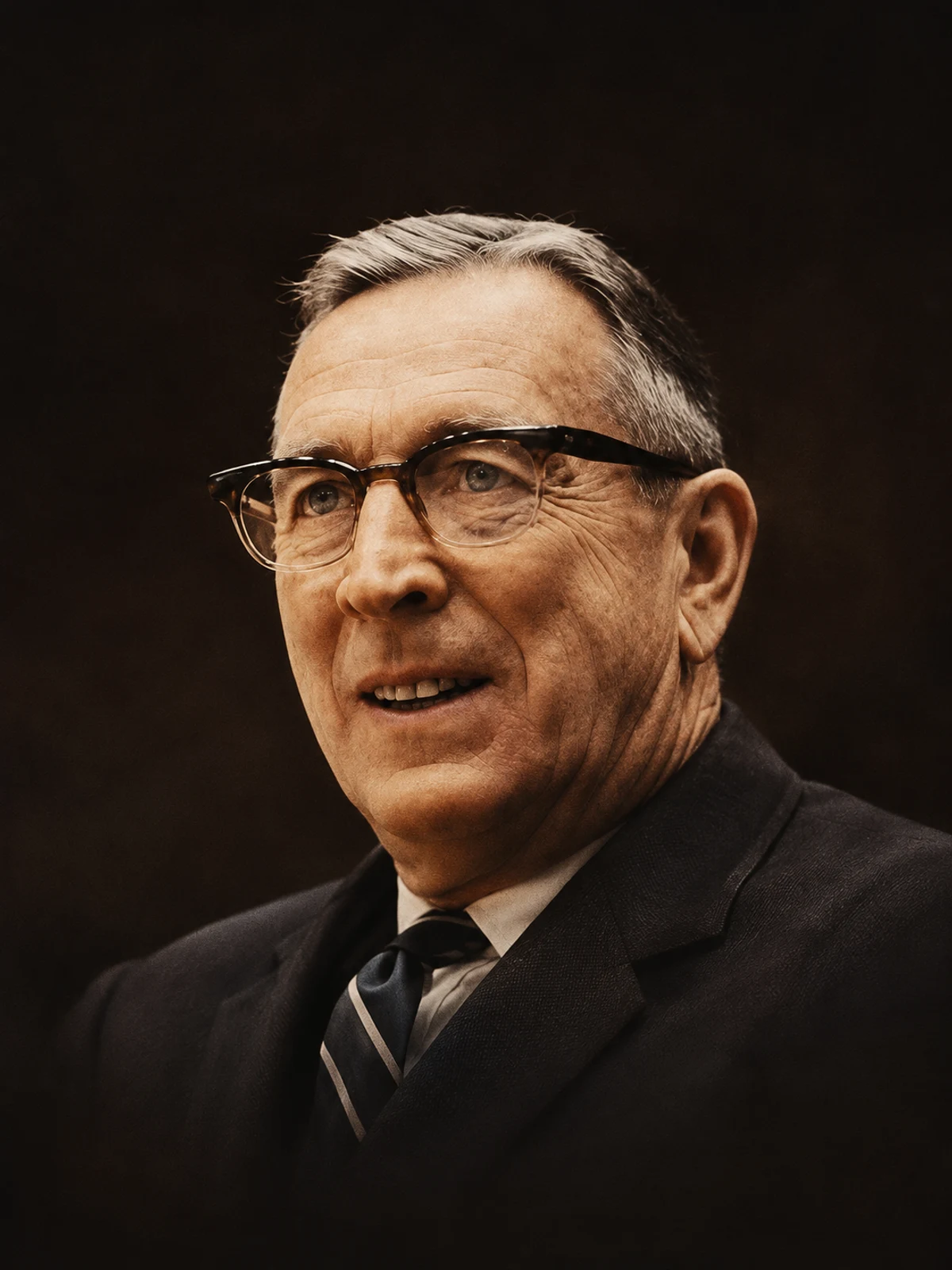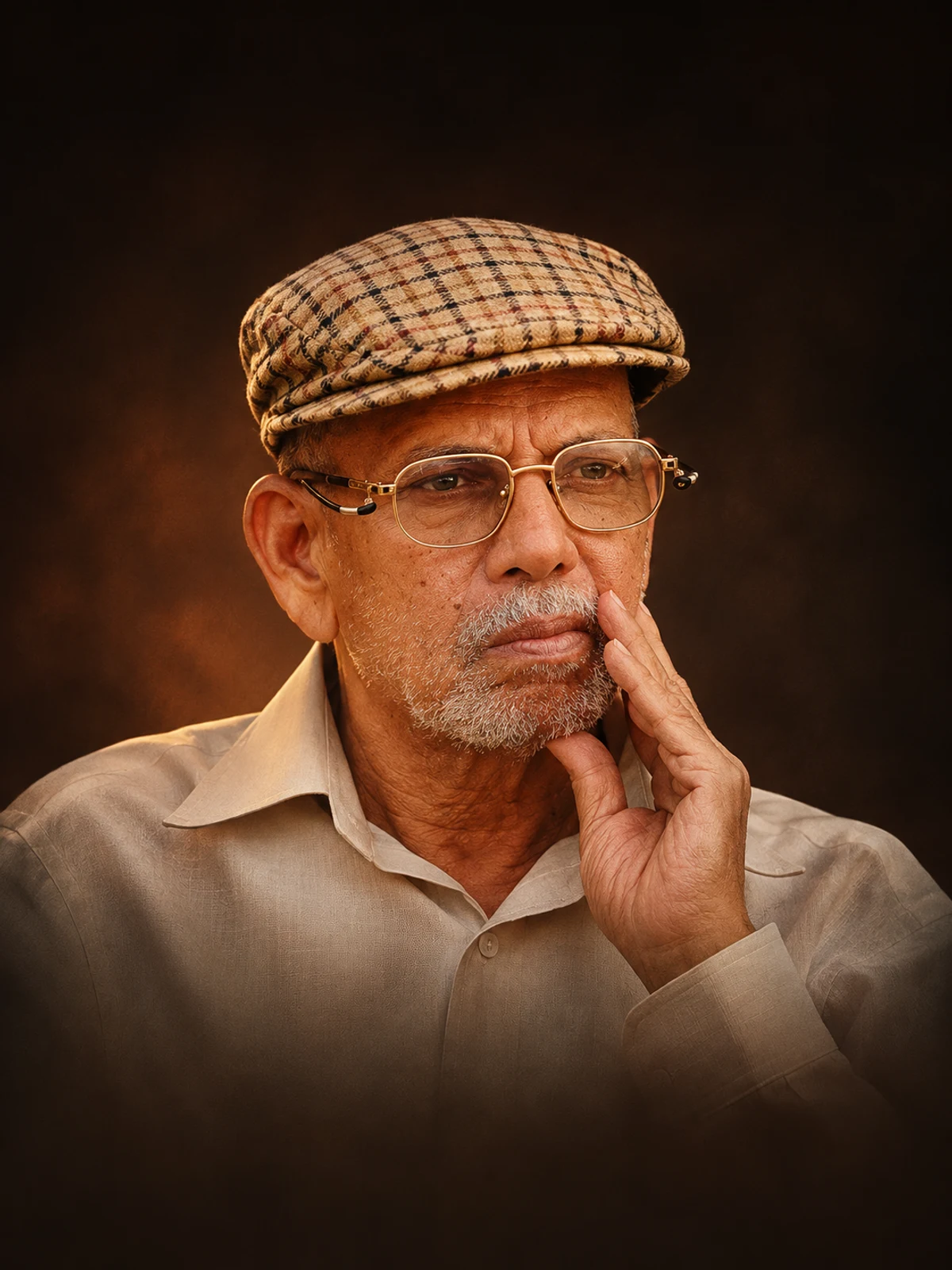
The public remembers the innings. Coaching begins earlier, when a young player’s ability is still a possibility rather than a record. Ramakant Achrekar belongs to that earlier part of cricket’s story: the patient, demanding work through which a promising child learns to prepare, practise and compete. His legacy asks a profession fascinated by visible success to look carefully at the teaching that precedes it.
A legacy measured through students
The International Cricket Council’s tribute names a remarkable range of Achrekar’s pupils, including Sachin Tendulkar, Vinod Kambli, Ajit Agarkar, Pravin Amre and Chandrakant Pandit. Tendulkar’s fame brings the story to a global audience, but the longer list matters. A developmental coach’s contribution is better understood through a body of work than through one celebrated exception.
A single extraordinary student can encourage a misleading story in which the coach simply recognised destiny. Development is less tidy. Different learners bring different resources, temperaments and obstacles. The central challenge is to hold a standard while noticing what each person needs to reach it. That is a more substantial form of attention than predicting who will become famous.
Discipline with a purpose
Achrekar is closely associated with Mumbai’s cricket culture and the practice grounds of Shivaji Park. The ICC describes his demanding approach and the respect expressed by former students. It also records the national recognition of his work through the Dronacharya Award and Padma Shri. Those honours acknowledge a contribution to coaching rather than treating success only as the player’s achievement.
For today’s coach, discipline is a word that needs careful handling. Demanding standards are useful when a learner understands what is being asked, receives meaningful instruction and has a fair opportunity to improve. Severity alone does not establish the quality of a method. A thoughtful reading of a historic coaching career should look for the relationship between challenge, learning and sustained care.
The foundation, remembered
In the tribute published by the ICC, Tendulkar credits Achrekar with the foundations of his cricket. Other former pupils also describe gratitude for his contribution. These are important first-person recollections: they show how students understood the influence of a teacher after their own careers had developed. They should be read as testimony, rather than as an invitation to invent scenes or private conversations that were never recorded.
That distinction gives the story its emotional weight. A coach may never see the full distance a learner travels. Much of the work is performed without the later certainty that it mattered. The task is to make the next session worthwhile, to correct what can be corrected and to leave the student with a clearer understanding of the game.
Beyond the celebrated pupil
The most useful coaching question is not how to discover another Tendulkar. It is how to build conditions in which a young person’s development is taken seriously before the outcome is known. Attention, access to practice and clear feedback are valuable even when no international career follows. A profession that respects only its most famous graduates misunderstands the scale of its own responsibility.
There is also a lesson for how institutions remember their teachers. Awards and statues can preserve a name. A stronger legacy preserves curiosity about the work: how skills were taught, what students experienced and which practices should be carried forward or reconsidered. Admiration should begin a conversation about coaching rather than bring it to an end.
Where the aspiration belongs
Achrekar’s place in this collection is a reminder that a coach’s stature does not depend on occupying the brightest stage. The teaching ground can be as consequential as the stadium. For those who work with emerging talent, his story directs ambition towards a demanding kind of service: being prepared to do serious work with a person whose future has not yet supplied its applause.
Cricket
Ramakant Achrekar
Ramakant Achrekar was a Mumbai cricket coach whose students included Sachin Tendulkar, Vinod Kambli and Ajit Agarkar. Recognised with the Dronacharya Award and Padma Shri, he is remembered for disciplined training and a lasting contribution to the development of Indian cricketers.
- Field
- Cricket development
- Home ground
- Mumbai
- National honours
- Dronacharya · Padma Shri
Questions about Ramakant Achrekar
Who did Ramakant Achrekar coach?
His pupils included Sachin Tendulkar, Vinod Kambli, Ajit Agarkar, Pravin Amre and Chandrakant Pandit, among other Indian cricketers. The ICC’s tribute lists several of the players who trained under him.
Why is Achrekar important to Indian cricket?
He is remembered for developing young cricketers and for the lasting influence acknowledged by his former students. His contribution was recognised with the Dronacharya Award for coaching and the Padma Shri.