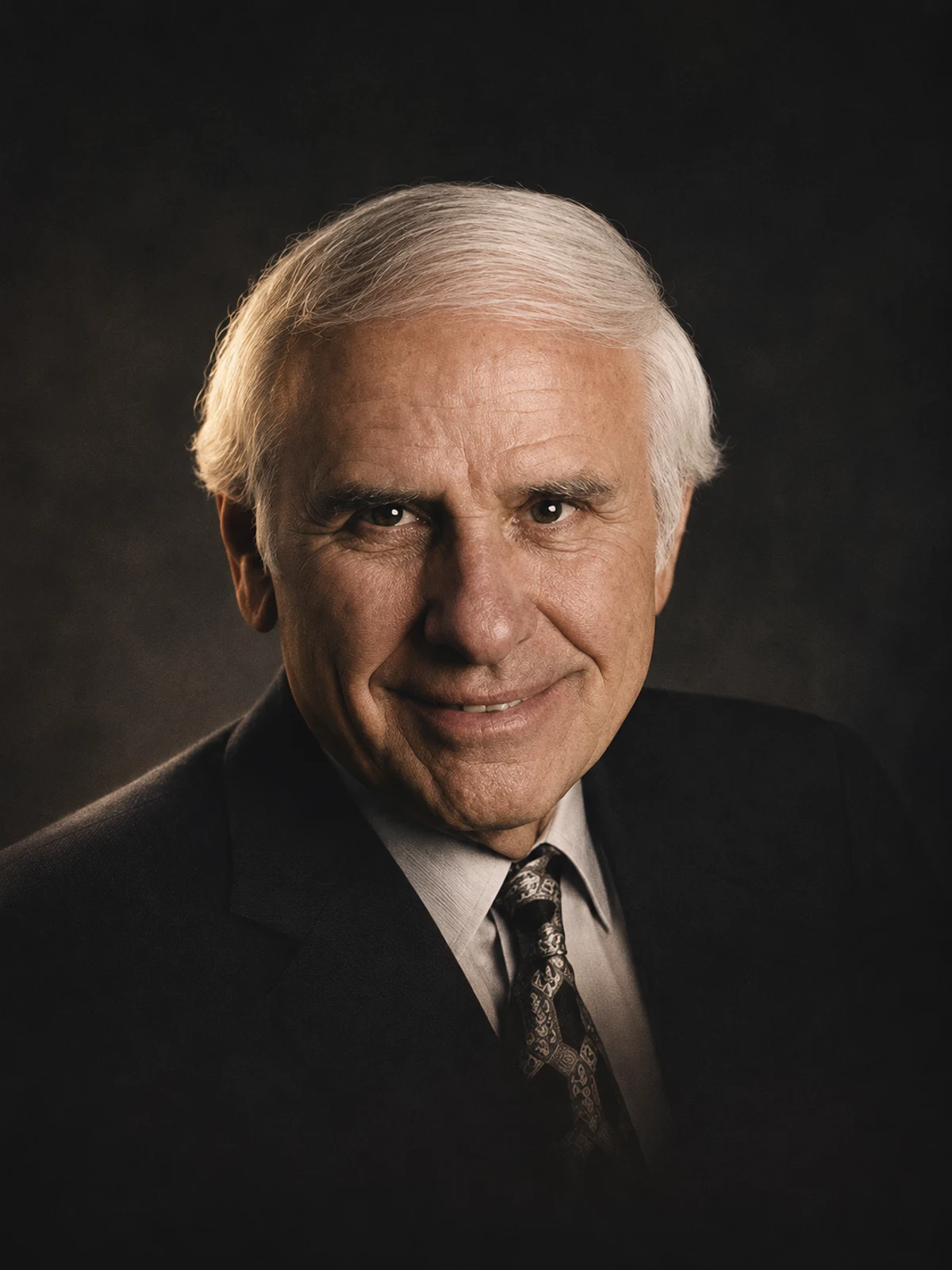
A finished product conceals its alternatives. The features removed, the proposals abandoned and the compromises revisited disappear into the object a person finally holds. Steve Jobs understood the force of that final experience. His career made product judgement a subject of public fascination, while leaving creative leaders with a demanding question: what deserves the team’s attention, and what must it be willing to leave behind?
An influence across disciplines
Jobs co-founded Apple, established NeXT and became a central figure in Pixar’s development. The Steve Jobs Archive brings together speeches, interviews, correspondence and accounts of those chapters. Read as a collection, the material shows a career moving between computing, design, storytelling and organisational leadership. It offers a better foundation for study than a single anecdote presented as the secret of success.
Jobs belongs in a coaching-legends collection because of his influence on leadership and creative ambition. The distinction is important: he was an entrepreneur and executive, not a professional coach in the contemporary sense. Studying his career should broaden a conversation about how people develop judgement, while keeping the differences between managing, mentoring and coaching clear.
The work of choosing
Focus is often described as the ability to ignore distraction. In creative work it also means making choices among genuinely attractive possibilities. A team cannot give equal care to everything. A leader’s priorities become credible when decisions about time, talent and resources follow them.
For a coach working with a founder or creative director, that makes a concrete conversation possible. Which project has the strongest reason to exist? What would the team stop doing if that reason were taken seriously? What evidence might change the decision? Questions like these help a client examine judgement without expecting the coach to become the person who owns the product vision.
A life understood through its turns
In his 2005 Stanford commencement address, Jobs reflected on education, work, loss and mortality. The speech connected parts of his life that had not felt coherent while he was living them. Its continuing appeal comes partly from that recognition: a career can acquire meaning retrospectively, even when its difficult passages offer no such reassurance at the time.
A coach should handle that story with care. A famous recovery cannot promise that every reversal will lead to a triumphant return. What the account can offer is a way to discuss uncertainty and values. A client can ask what remains important after a setback, which skills still travel with them and what kind of work they are prepared to attempt next.
Standards and the people carrying them
A strong creative vision has to pass through other people’s effort. It requires explanation, challenge, iteration and the practical knowledge of those doing the work. An admired founder can make this collective process disappear from view if the whole achievement is compressed into a portrait of individual genius.
That is a poor model for a contemporary leader to copy. A more useful ambition is to develop exacting judgement alongside the ability to hear information that complicates it. The quality of a result and the quality of working life both deserve attention. Coaches can help leaders examine whether their methods are producing better thinking or merely making disagreement more difficult to express.
Something worth the effort
The archive’s title, Make Something Wonderful, expresses a creative ambition with a human audience. The aspiration concerns the contribution a person can put into the world. It invites a leader to consider why the work matters beyond the immediate contest for attention.
Jobs’s place here is therefore an invitation to study choices with consequences: what to make, what to refuse and what standard to pursue. For a coach, the enduring task is to help a leader make those choices deliberately, communicate them clearly and remain accountable for the people and resources that turn an idea into an experience someone else can use.
Technology & Mentorship
Steve Jobs
Steve Jobs was Apple’s co-founder, the founder of NeXT and a central figure in Pixar’s development. He appears in this collection as a technology leader and influential creative mentor, rather than as a practitioner of professional coaching. His career offers a case for studying focus, judgement and leadership.
- Field
- Technology & creative leadership
- Companies
- Apple · NeXT · Pixar
- Lens
- Focus and judgement
Questions about Steve Jobs
Was Steve Jobs a professional coach?
Jobs was an entrepreneur and executive rather than a professional coach. This profile examines his influence on creative leadership, product judgement and mentoring as part of the broader Coaching Legends collection.
Why is Jobs’s Stanford speech still discussed?
The 2005 address reflects on his education, departure from Apple, subsequent work and awareness of mortality. It is frequently studied for its account of finding meaning in a career and making deliberate choices about work.
Sources & credits
- Steve Jobs Archive — Make Something Wonderful ↗
- Stanford — Jobs’s 2005 commencement address ↗
- Apple — remembering Steve Jobs ↗
Updated 13 November 2026.